Civil Society Demands a Localization and Repatriation Roadmap in the Rohingya Crisis: Local NGOs has less than 1% of JRP Funds
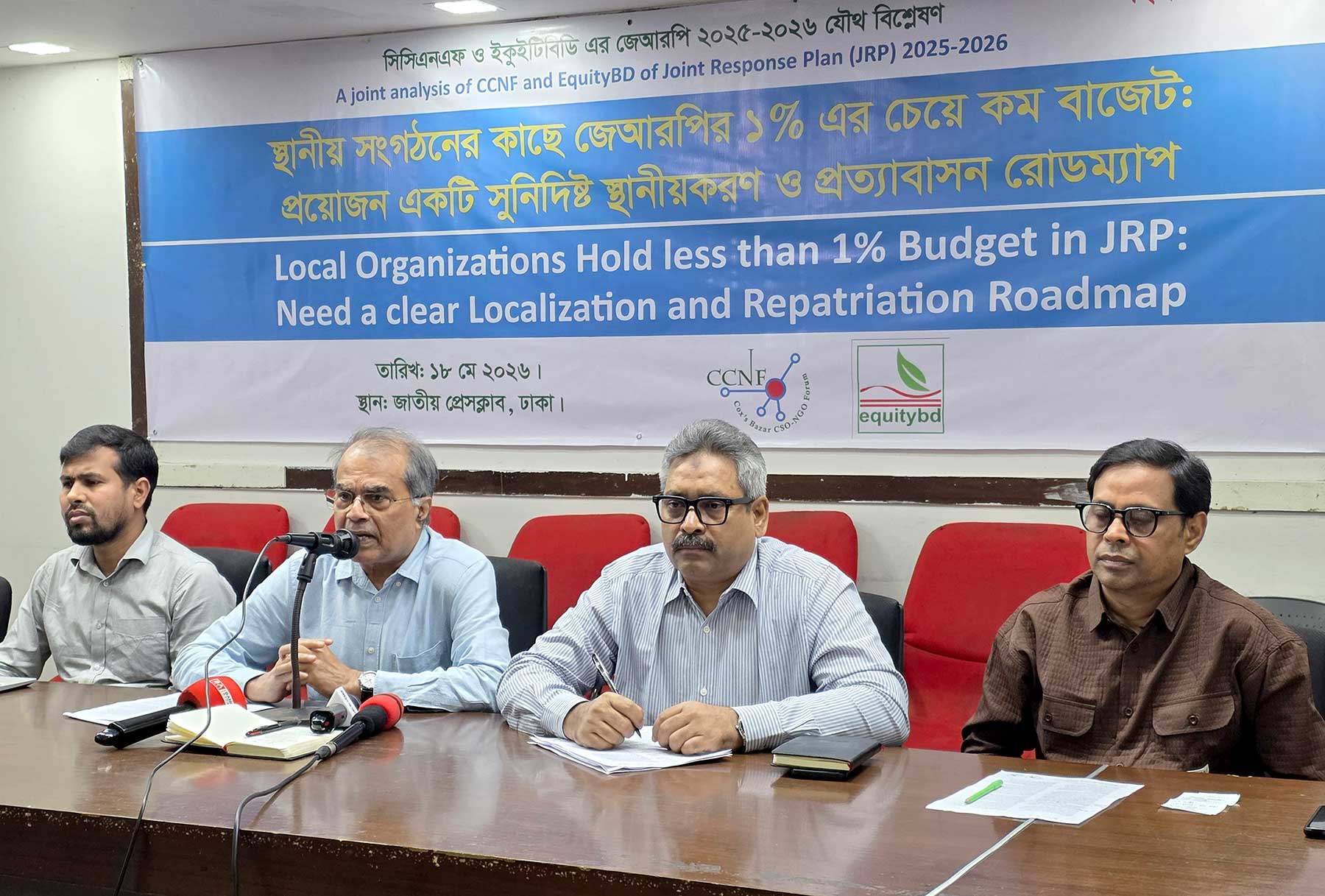
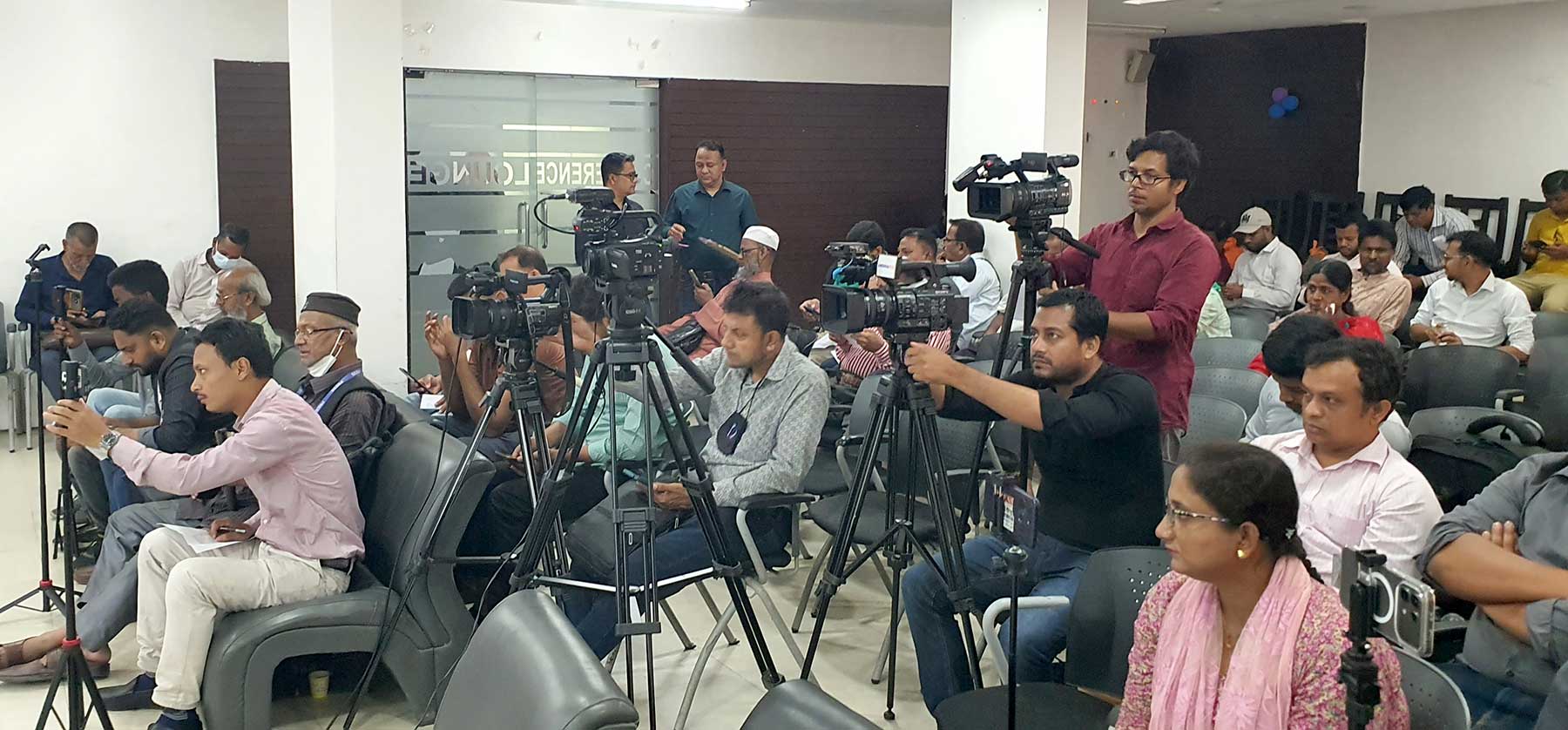
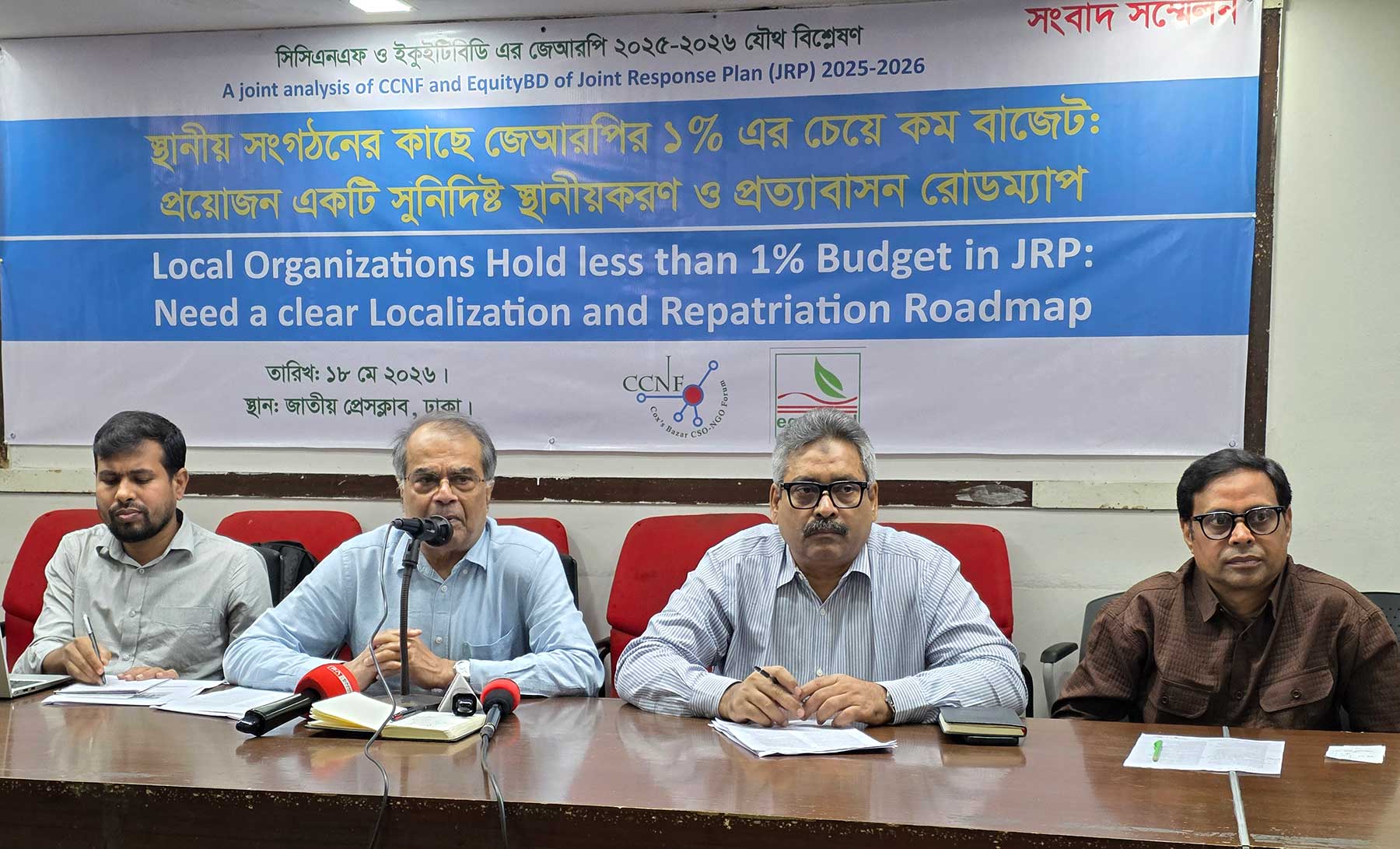
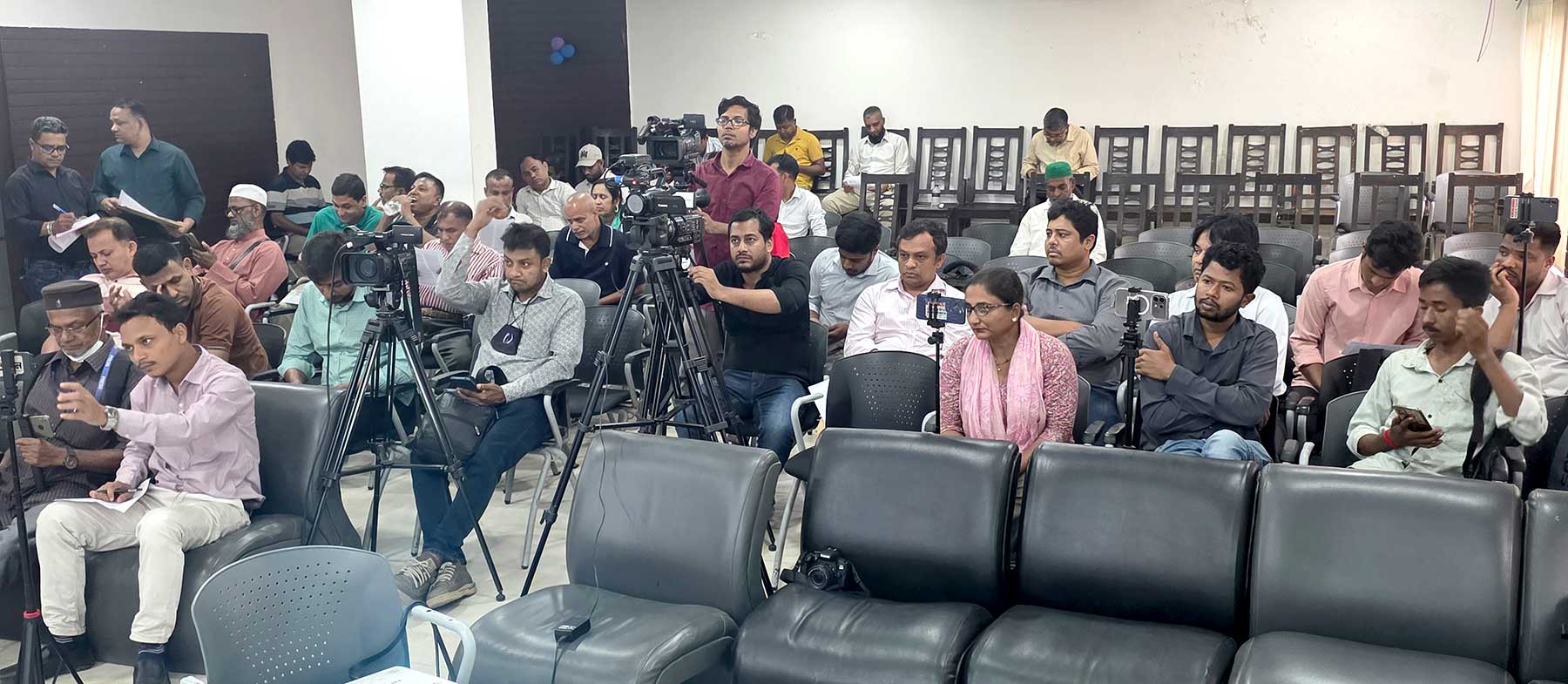
Today, 18 May 2026, the Cox’s Bazar CSO NGO Forum (CCNF) and the Equity Justice Working Group (EquityBD) jointly organized a press conference and demanded a clear localization and Rohingya repatriation roadmap at the National Press Club in Dhaka. The press conference was moderated by Rezaul Karim Chowdhury, Chief Moderator of CCNF and EquityBD. Others present included EquityBD Coordinators Mostafa Kamal Akand and Md. Iqbal Uddin, as well as CCNF Coordinator, Md. Shahinur Islam.
Md. Shahinur Islam presented the keynote paper and said that every year under the leadership of the United Nations, they prepare the Joint Response Plan (JRP) for Rohingya refugees and affected host communities. He criticized the process of JRP. He stated that the JRP is primarily a UN dominated fundraising mechanism. He noted that, UN agencies control approximately USD 811 million (87%) of the total plan in JRP 2025. In contrast, International NGOs have only 8.97% shared, while National NGOs 4.19%. Most concerningly, Local NGOs have planned just 0.06% of the total JRP budget. He further stated that the Government of Bangladesh is making significant financial contributions to the Rohingya crisis response, even taking loans from bank to support the response. However, these contributions are not reflected in the current JRP framework. Instead, the framework is being used mainly as an UN-centered fundraising tool. He demanded that at least 25% of JRP funds should be implemented through local NGOs and for local communities. He also emphasized that the JRP must clearly specify how much funding will be channeled through different actors, specially through the local NGOs.
Mostafa Kamal Akand said that the current democratic elected government must take responsibility for Rohingya repatriation. He demanded to form a Rohingya Repatriation Commission. He further stated that genocide had been committed against the Rohingya people, and for this reason, a conference should be organized during the upcoming session of the United Nations General Assembly to ensure justice and safe repatriation. He said that the main objective of the conference should be to develop a clear repatriation roadmap.
Md. Iqbal Uddin stated that the humanitarian response for Rohingyas has caused severe environmental and forest degradation in Cox’s Bazar. He claimed that around 300 acres of agricultural land had been destroyed which should be restorage for agriculture and that criminal activities have increased in the camps and 1 killing incident happened daily in Cox’s Bazar. He urged for the importance of preserving groundwater resources for future generations and called for the treatment and supply of water from the Naf River to the Rohingya camps. He also said that humanitarian agencies should not only provide relief assistance but also work on the citizen and political rights of the Rohingya people.
Rezaul Karim Chowdhury said that UNHCR is implementing projects in the Rohingya camps through international organizations such as ACTED, Action Aid, and Terre des Hommes (TDH) from UNICEF instead of local NGOs. He criticized UNHCR for this. He argued that they should implement the project through local NGOs. He also criticized UNHCR for constructing permanent shelters in the Rohingya camps without approval from the government and the Forest Department, and without consultation with local communities. He argued that in many countries, the United Nations cannot operate without government approval, citing Nepal as an example where UN agencies must obtain government permission before carrying out activities. He said that Government of Bangladesh should ensure that all UN activities receive prior government approval in order to protect national interests.
He further criticized senior government officials, saying that when they visit the Rohingya camps in Cox’s Bazar, they often do not listen to local communities and instead only engage with UN staff. He called for an end to such practices, emphasizing that local people are among the main victims of the crisis. He concluded by saying that the affected communities need a permanent solution to the crisis, which requires a comprehensive localization and repatriation roadmap.
Please donload related paper [Bangla Press] [English Press] [Position Paper Bangla] [Position Paper English]
Photos
 |
 |
 |
 |
Newslink
 |
 |
 |
 |
 |
 |
|
 |
 |
 |
|
 |
 |
 |
 |
 |
 |
 |
 |
 |